

Out of the ten cemetery fencing projects we are currently finalizing in Ukraine for 2025, four took place in the Khmelnytskyi region.
This area is part of the historical region of Podillia, once known for its rich and vibrant Jewish life.

Kosohirka (known as Frampol before World War II) was a typical shtetl. According to data from 1925, Jews made up the majority of its 2,787 residents. In the fall of 1942, the Jewish population of Kosohirka shared the fate of most Jewish communities in Eastern Europe: they were deported by the Nazis to the nearest ghetto, which was located in Yarmolyntsi, where they were murdered.
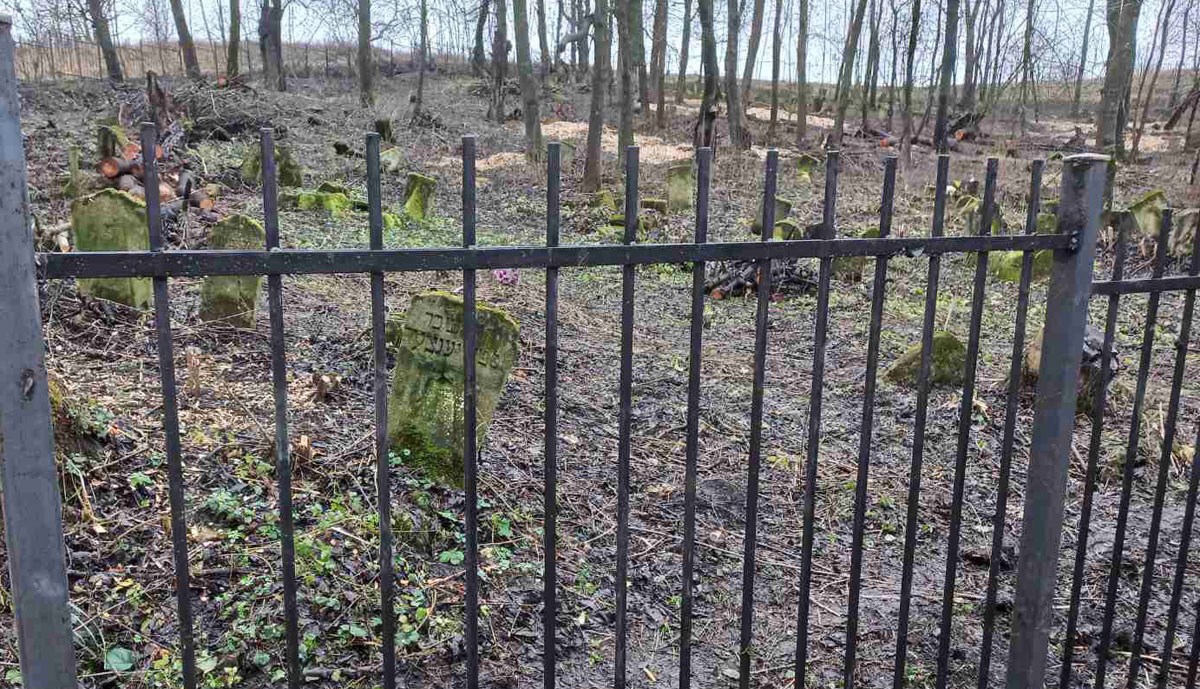
The Jewish cemetery in Kosohirka, recently fenced and protected by the ESJF with financial support from the German Federal Foreign Office (Auswärtiges Amt), was established in the late 18th or early 19th century.
Today, approximately 160 tombstones remain, dating from at least 1830 (the oldest identified by the ESJF expedition) to 1955.