Boghis Jewish Cemetery
Cemetery Information
Historical overview
Boghiș (Hung. Csengerbagos) Today part of Doba (Not to be confused with Boghiș in Sălaj County, Hung. Szilágybagos).
In the Hungarian censuses of the Jewish population Acta Judaeorum 1774-1775, Csengerbagos is not listed. The first reliable data on the Jewish population dates to the 1840s. The 1848 census recorded the family of Jakob Iszak, consisting of 9 people. According to Hungarian statistical data, the Jewish population grew from the mid to late 19th century and declined rapidly in the 20th century: 13 people in 1840, 88 in 1880, 48 in 1910, and 9 in 1941. Samu Borowsky recorded 78 persons of Jewish faith in the 1890s. Romanian statistical data from the period 1918-1940 supplements this picture: in 1920 the Jewish population numbered 32 people, while in 1930 only 8.
It is unclear whether there was an independent community. Most likely, in the late 19th century they were affiliated with the Csenger community, as in the 1880s-1890s births in Csengerbagos were registered in the Jewish community of Csenger. However, the Sefer Yizkor of Csenger and Porcsalma does not mention Csengerbagos among the villages whose residents belonged to that community. Possibly, under Romanian rule the Jewish residents were more connected with Satu Mare—on the Romanian side of the border. There is no data about a synagogue in the village —most likely there was none. Nevertheless, Rabbi Eliyahu Aryeh Adler, author of the Torah commentary collection “Torat Eliyahu,” who moved to Csenger evidently in the late 19th century, had previously lived in Csengerbagos (טשענדער-באגוש). Later he served as rabbi of the neighboring community of Dara. Whether this means he also headed the community in Boghis as rabbi is unclear.
Jews who lived in Boghiș before World War II are recalled by Szabó József, a native of Boghiș born in 1927: “Two Jewish families lived in the village,” he recounts, “the Lamper family and the Brom family. Both families were merchants and had shops. Both families were deported. They had to wear the yellow star, and when they were taken
away, they could only take a forty-kilogram bag with them. When they left, they distributed their property among the poor.” The Yad Vashem databases contain information about 12 people who were born and/or lived in Boghiș before the war. Among them, five survived the Holocaust: Joszef and Arpad Kaufmann, Ilonka Lazar, Georges Erdelyi, and Barbara Benedek.
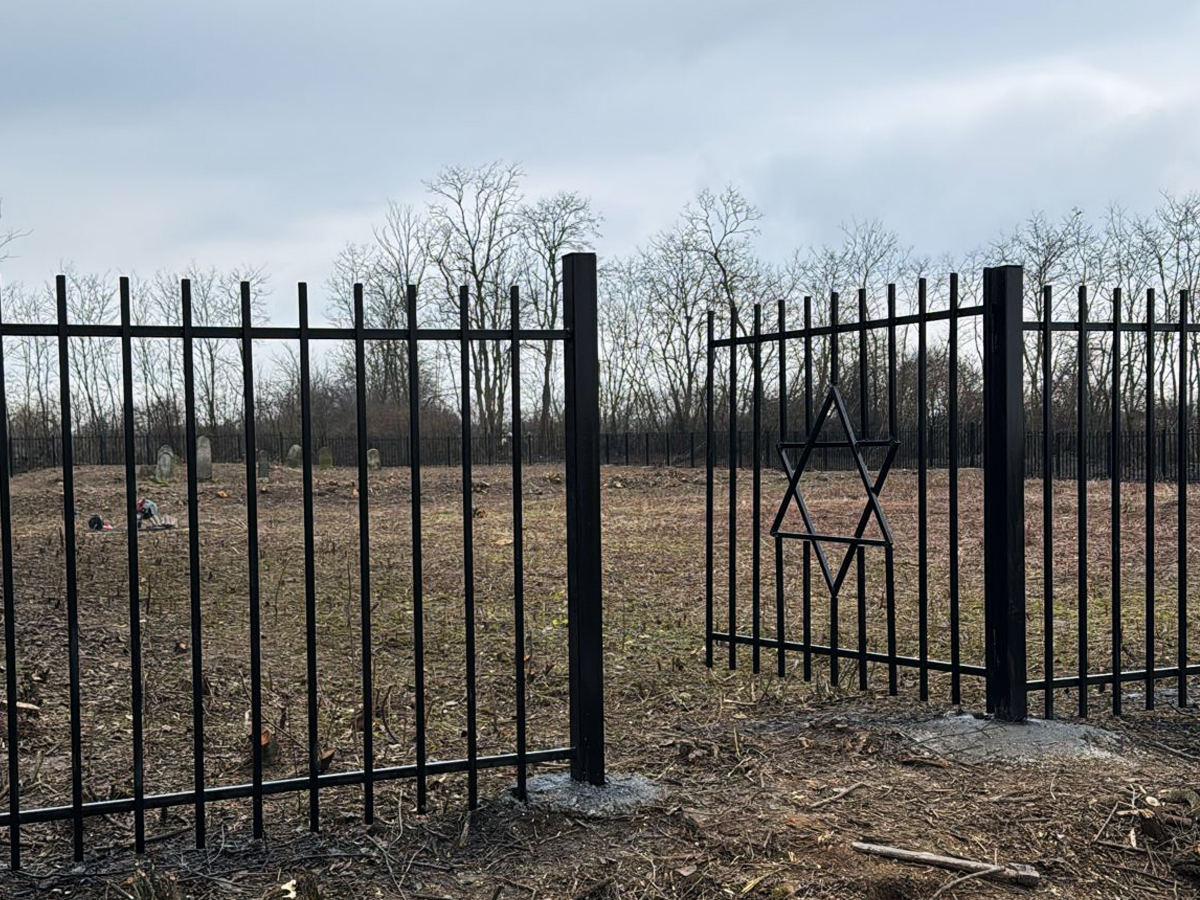
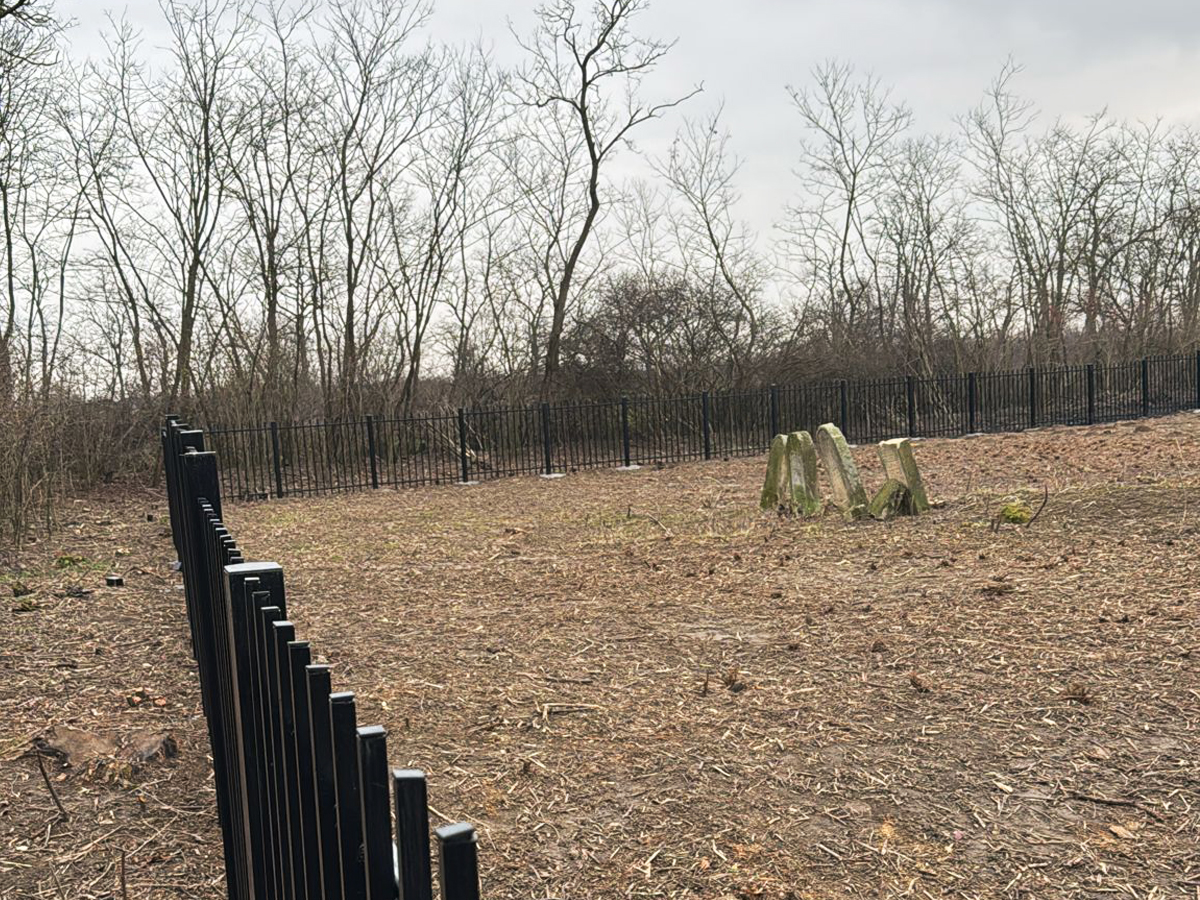
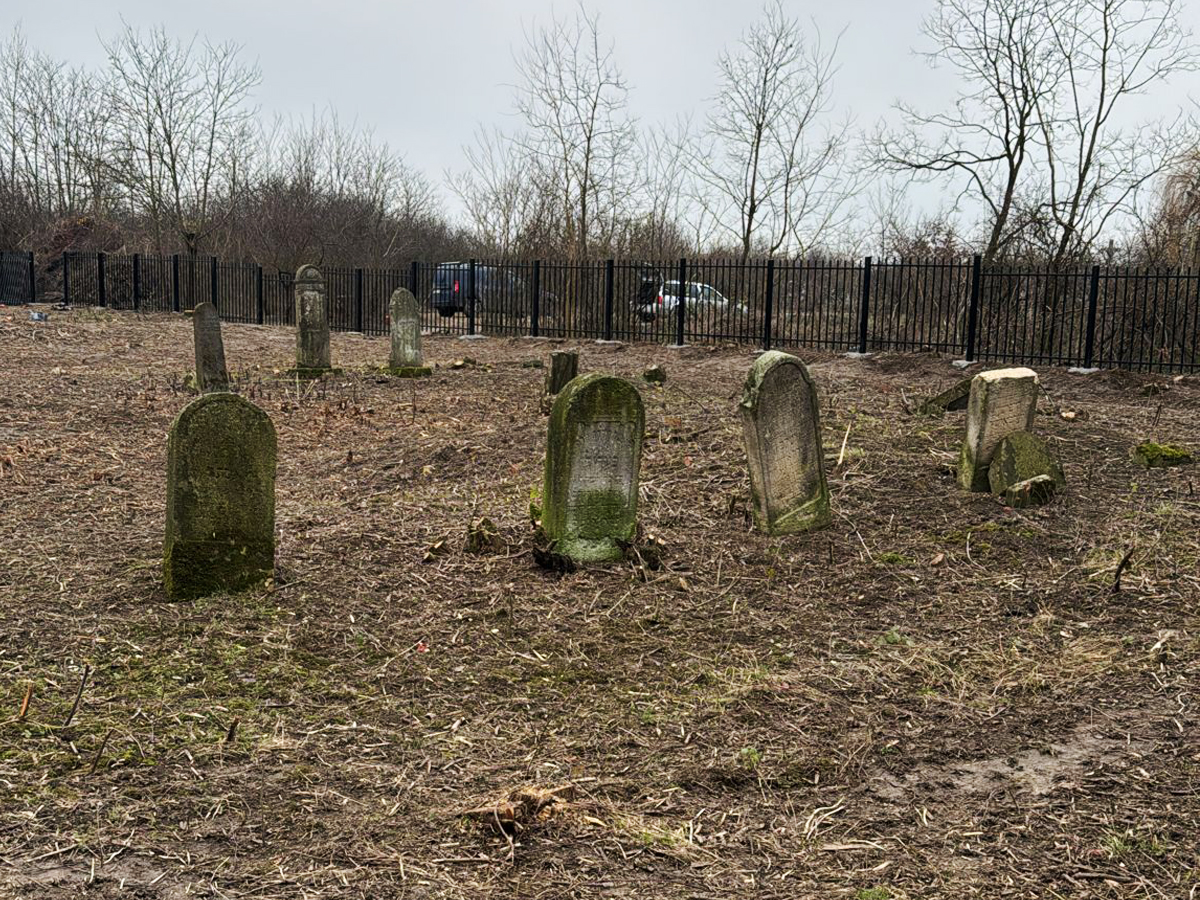
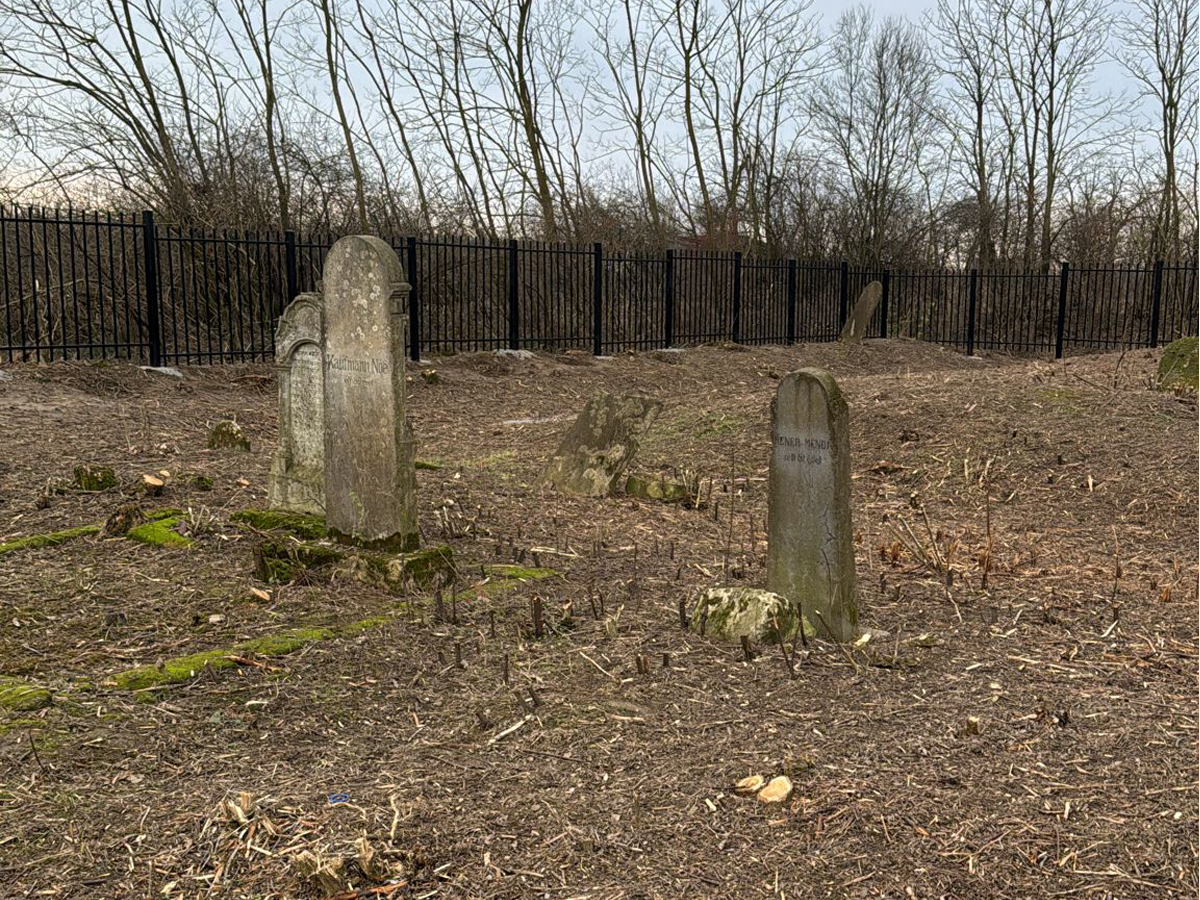
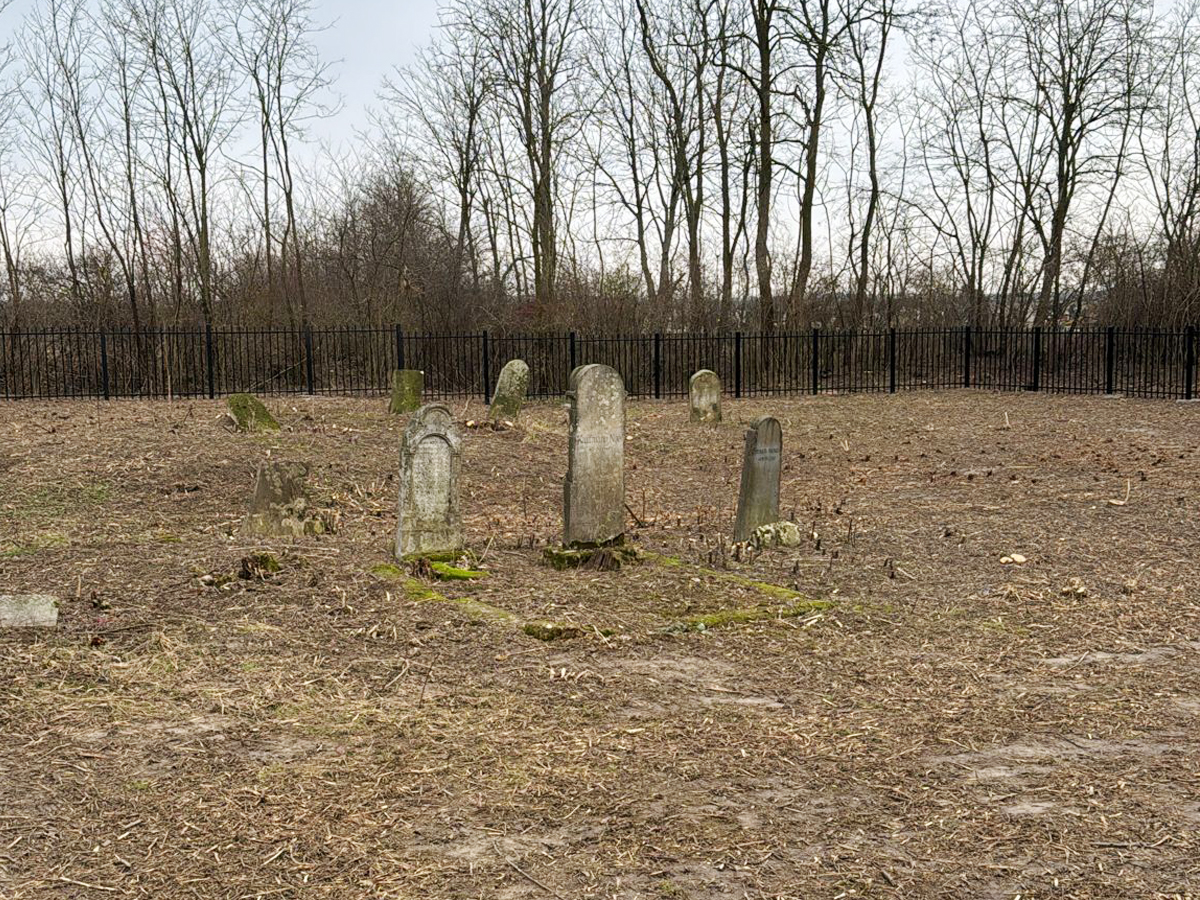
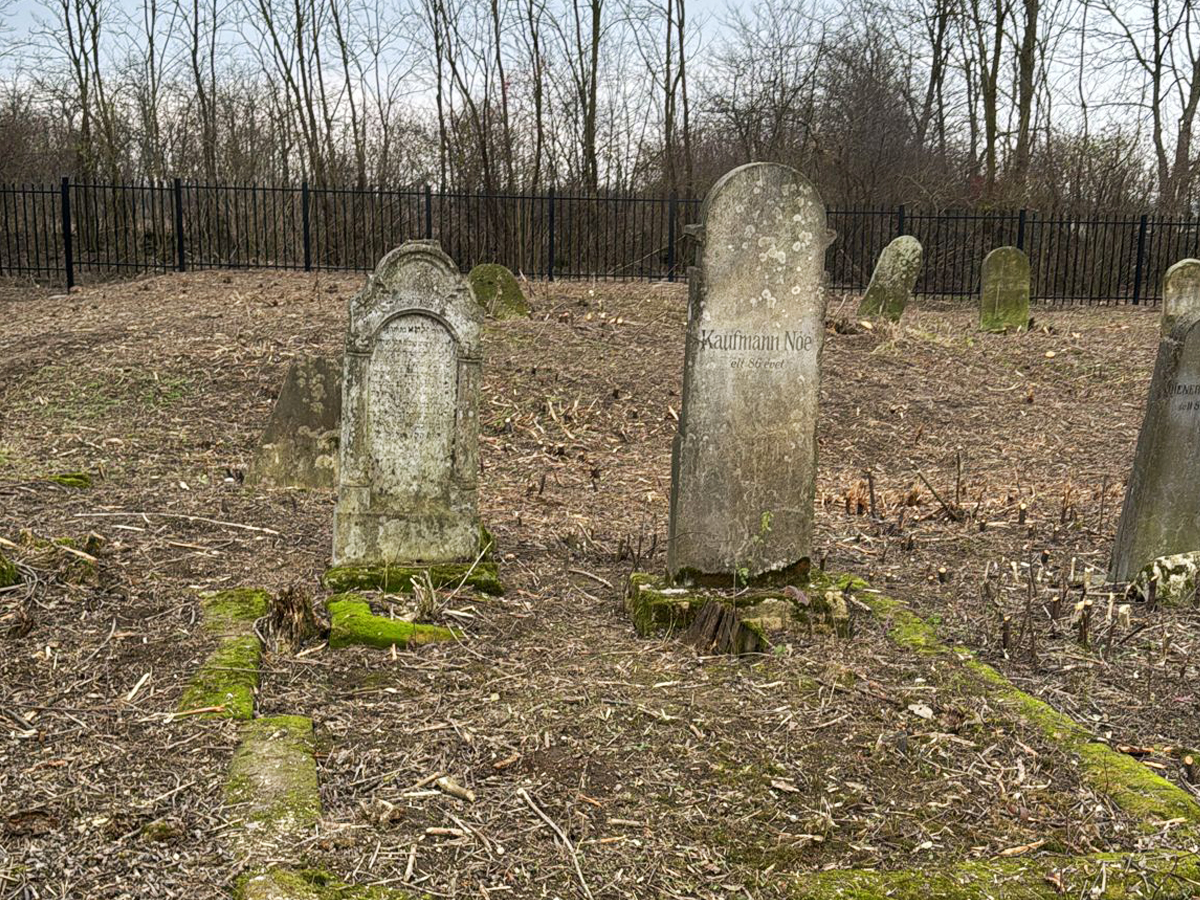
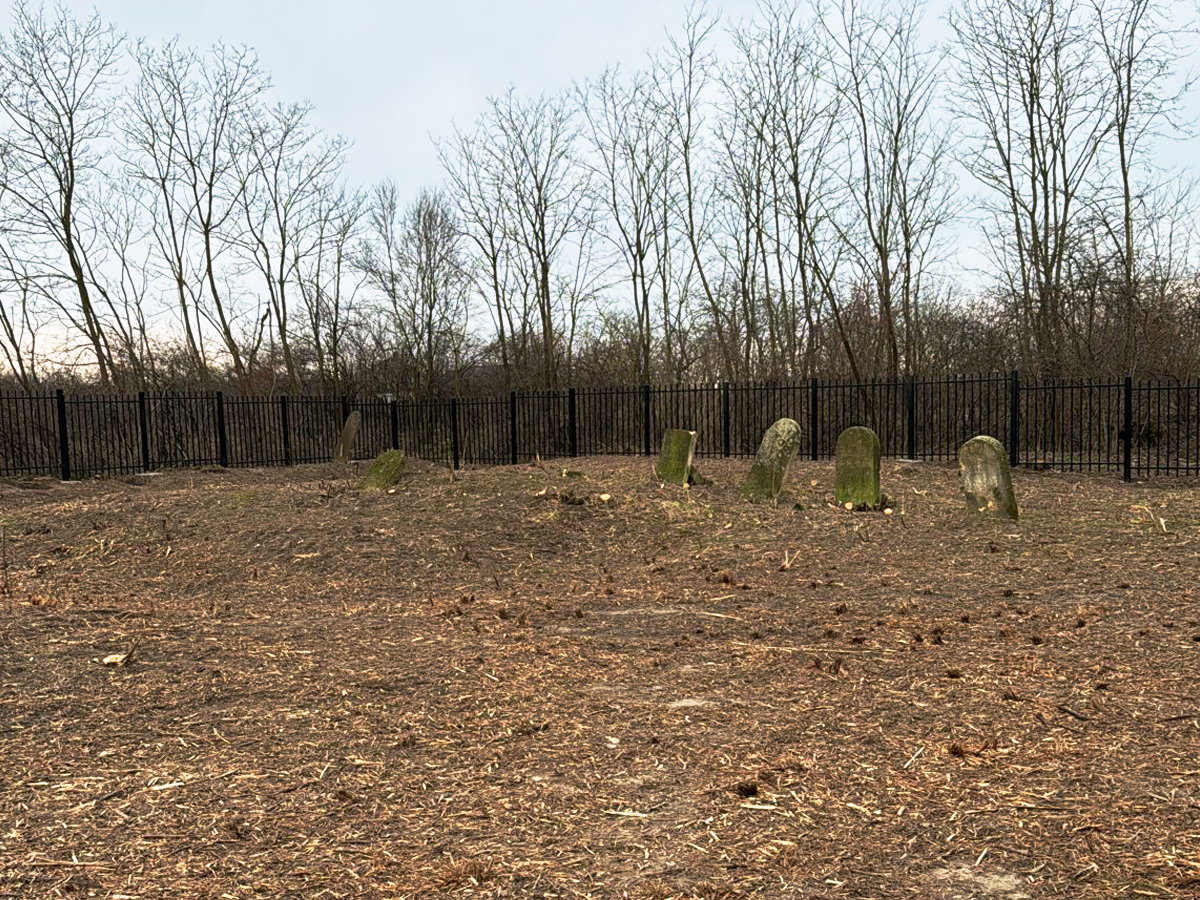
The Jewish cemetery in Boghiș has existed since at least the late 19th century. The cemetery preserves 11 gravestones dating from the late 19th to the first half of the 20th century.