Jews first settled in Chichișa in the first half of the 19th century. Over the following decades, they became an integral part of the town’s economic and social life. By 1941, 29 Jews lived in Chichișa.
During the Shoah, the Jews of the town were persecuted and murdered. Among the victims were members of the Roth, Olar, and Porghetz families, who were shot in Dragu. Others were deported to Nazi extermination camps, including Belzec and Sobibor.
In April and May 1944, all but one of Chichișa’s Jews, who survived by hiding and posing as a Greek Orthodox Christian, were deported together with the Jewish population of Vármező and the surrounding area to the Șimleu Silvaniei ghetto at the Klein brick factory. From there, they were deported to Auschwitz in June 1944. Most of those who survived the war later emigrated to Israel.
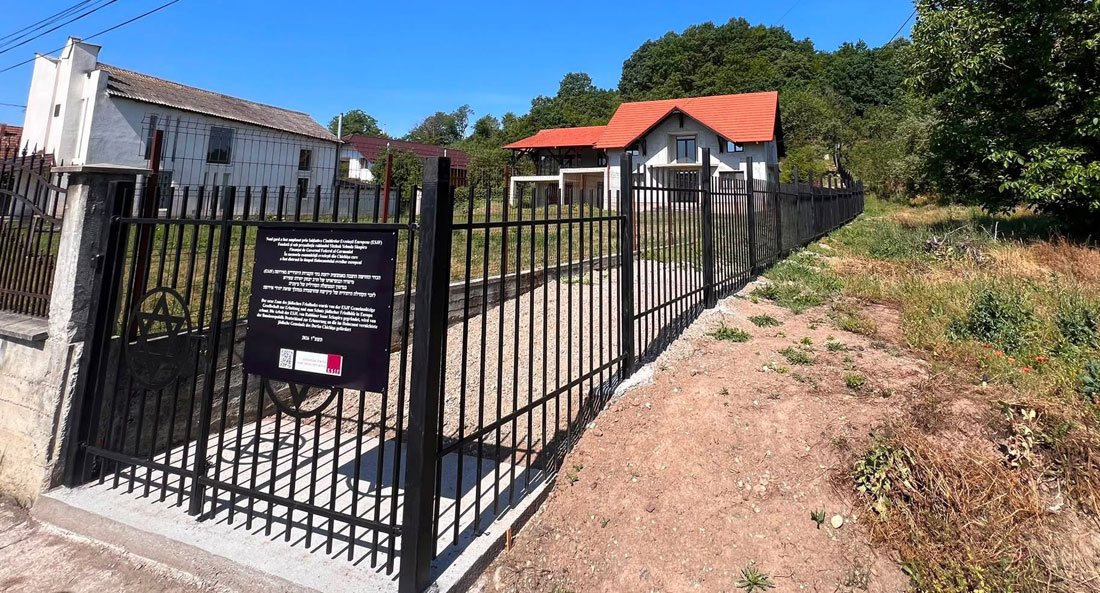
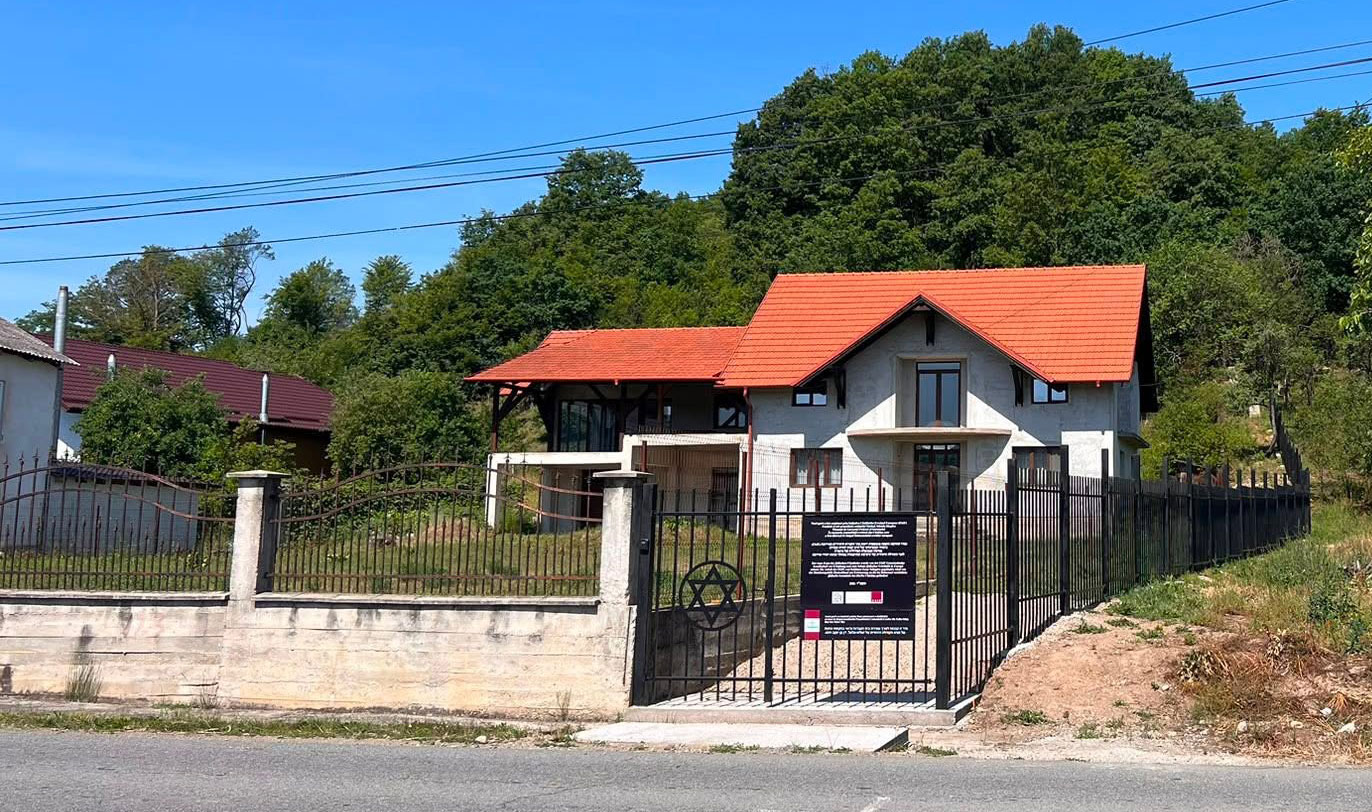
The installation of the fence around the Jewish cemetery in Chichișa helps preserve the memory of the people who once lived there and contributed to the life of the town.
The construction of the metal fence at the Chichișa Jewish cemetery was made possible thanks to the financial support of the German Federal Foreign Office, as well as the work of our local coordinator in Romania and the President of the Jewish Community of Sălaj, Dan Has.